Frauscher Sensor Technology has completed the divestiture to Wabtec Corporation.

Find Out More

FAdC® at Vhodnaya Station | Kazakhstan
Train DetectionKazakhstan

FAdC® at Vhodnaya Station

Operator
ArcelorMittal Temirtau
Country
Kazakhstan
Partner
Kazcenterelectroprovod (KCEP)
Segment
Industrial & Mining
Application
Track Vacancy Detection
Products
FAdC®, RSR180
Year
2017

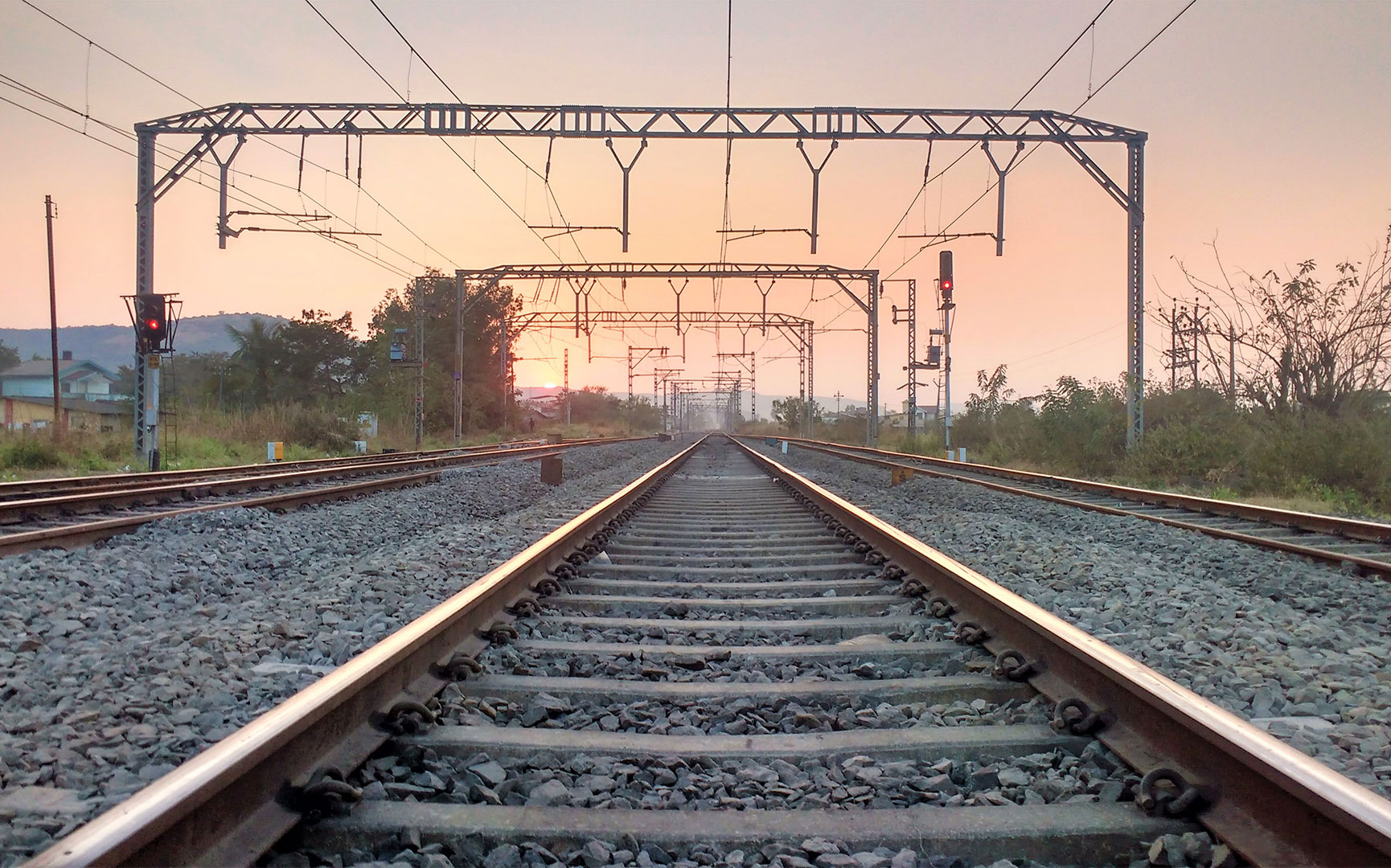
ArcelorMittal is responsible for the operation of a dedicated industrial railway infrastructure located in Temirtau, Kazakhstan. At Vhodnaya station, an essential shunting yard, various goods and materials, such as polyester, zinc, aluminium, sinter, iron ore, and coke-chemical products, are loaded and unloaded. The station's robust infrastructure features 64 switching points and 68 signals, necessitating the use of a high-performing train detection system to ensure the safe and efficient management of traffic flow.

The Vhodnaya station is a shunting yard that deals with various goods and materials, but the existing track circuit-based system for traffic management was not reliable enough due to extreme weather conditions and industrial dust contamination. To maintain uptime under such circumstances, the operator opted for a modern axle counter system, the Frauscher Advanced Counter FAdC®. The new system includes 120 Frauscher Wheel Sensors RSR180 that proved to be reliable and cost-effective. By installing the new system, lifecycle and maintenance costs were significantly reduced, downtime due to train detection failures was reduced, and operational efficiency increased.

Lower maintenance costs

By installing the axle counter, lifecycle and maintenance costs have been reduced dramatically.

Greater efficiency

Efficiency in terms of traffic management and the use of freight cars has increased.

Increase in system availability

Increase in uptime due to no train detection failures, leading to greater availability.

Similar Projects
This might also interest you
1/5
Train Detection, ServicesUnited Kingdom of Great Britain and Northern Ireland

Cutting delays through data-driven maintenance

Frauscher has supported the Paddington project with the adoption of Frauscher Insights Diagnostics, a cloud-based monitoring solution that increases data usefulness and availability. By providing faster fault analysis and health messages, Frauscher Insights has helped Network Rail improve reliability, reduce downtime and delay minutes by up to 80%, and shift towards a proactive maintenance approach.
Train DetectionUnited Kingdom of Great Britain and Northern Ireland

The Borders Railway Project

From Shawfair to Tweedbank, the Borders Railway rail route underwent significant renovations after 45 years of disconnect due to Beeching cuts. Our Frauscher UK & Ireland team were involved in providing innovative solutions for train detection for a section of the Borders Railway route.
Train DetectionCanada

Edmonton Metro Line

The Edmonton Metro Line was experiencing significant issues with its newly installed Communications Based Train Control (CBTC) signalling system, which did not perform to the operator‘s expectations. The city was forced to run an incomplete schedule with reduced train speed and frequency which negatively affected commuters and the city of Edmonton in general. Finally in 2019, the operator decided to install a new system in cooperation with Frauscher.
Train DetectionFrance

Homologation for the Île-de-France tramway network
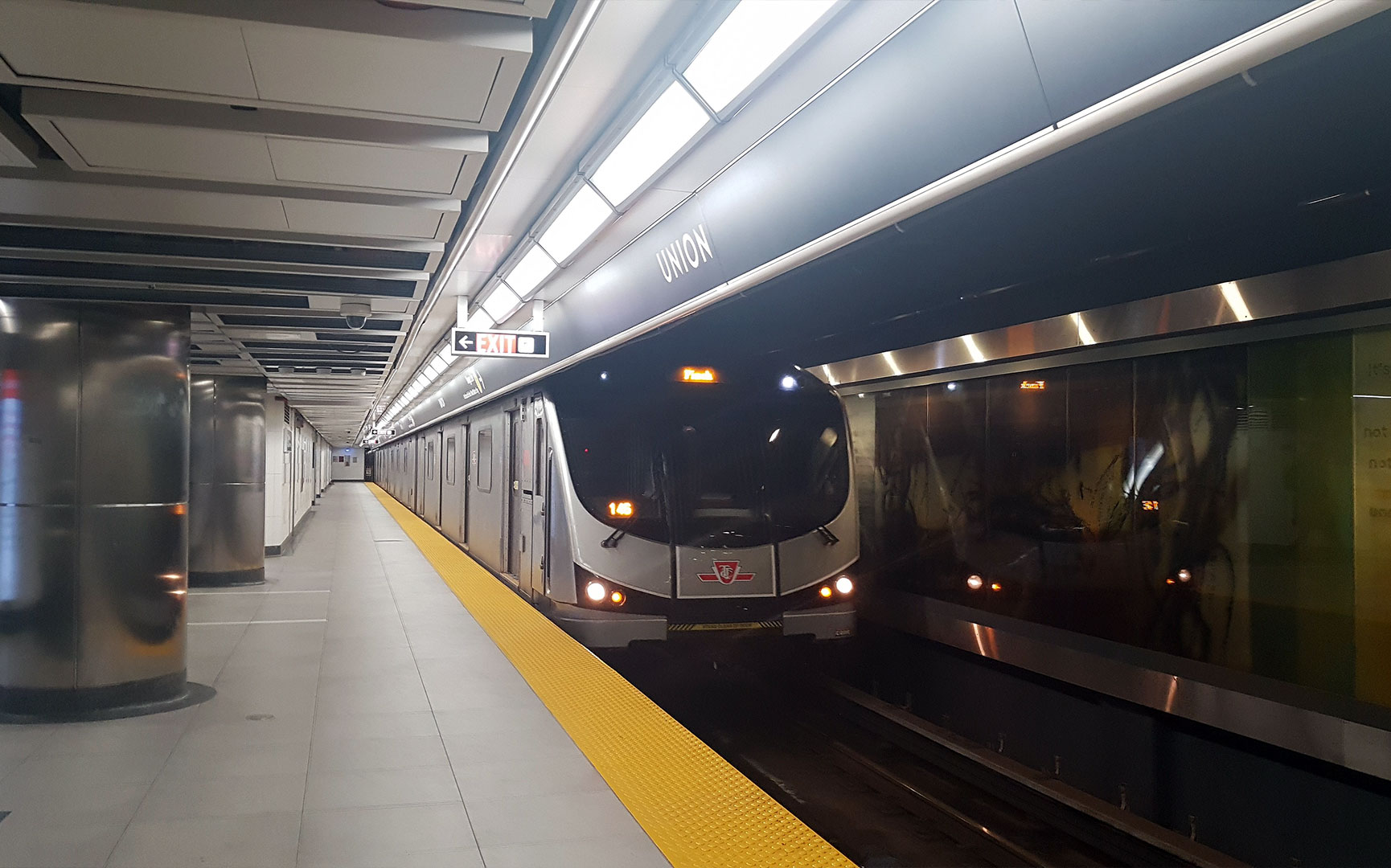
The network of Île-de-France tramways in the region of Paris has been a showcase model of public transport since the line T1 opened in 1992. Over a million passengers use these trams daily and today, the system consists of 11 lines covering over 100 kilometres of track. Over the next years it is planned to expand this network even further. For track vacancy detection, the Frauscher axle counting system is considered as being the ideal solution for this comprehensive network.
Train DetectionCanada

Toronto Transit Commission
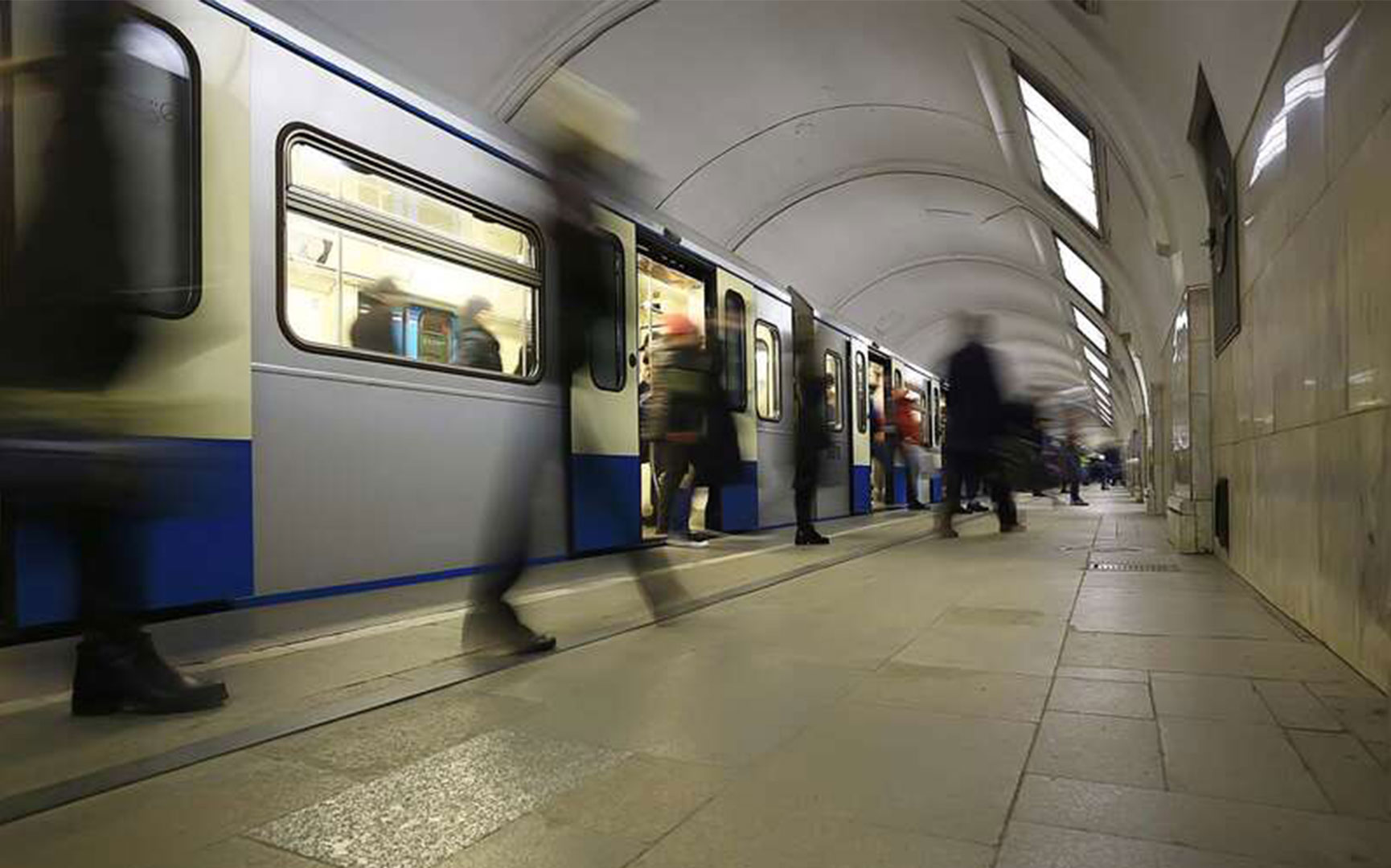
The Toronto Transit Commission (TTC) Line 1 Yonge-University is Toronto’s longest subway line, with track circuits utilized for signalling. Due to an increasing number of daily passengers and an aged system the need for upgrading without interfering with the daily operations became readily apparent. It was further required that the new signalling system functions independently of the existing system. It would provide CBTC fallback functionalities, and work as an overlay to the current track circuit-based system.