Notification Center

Vijayawada – Gannavaram Rail Line
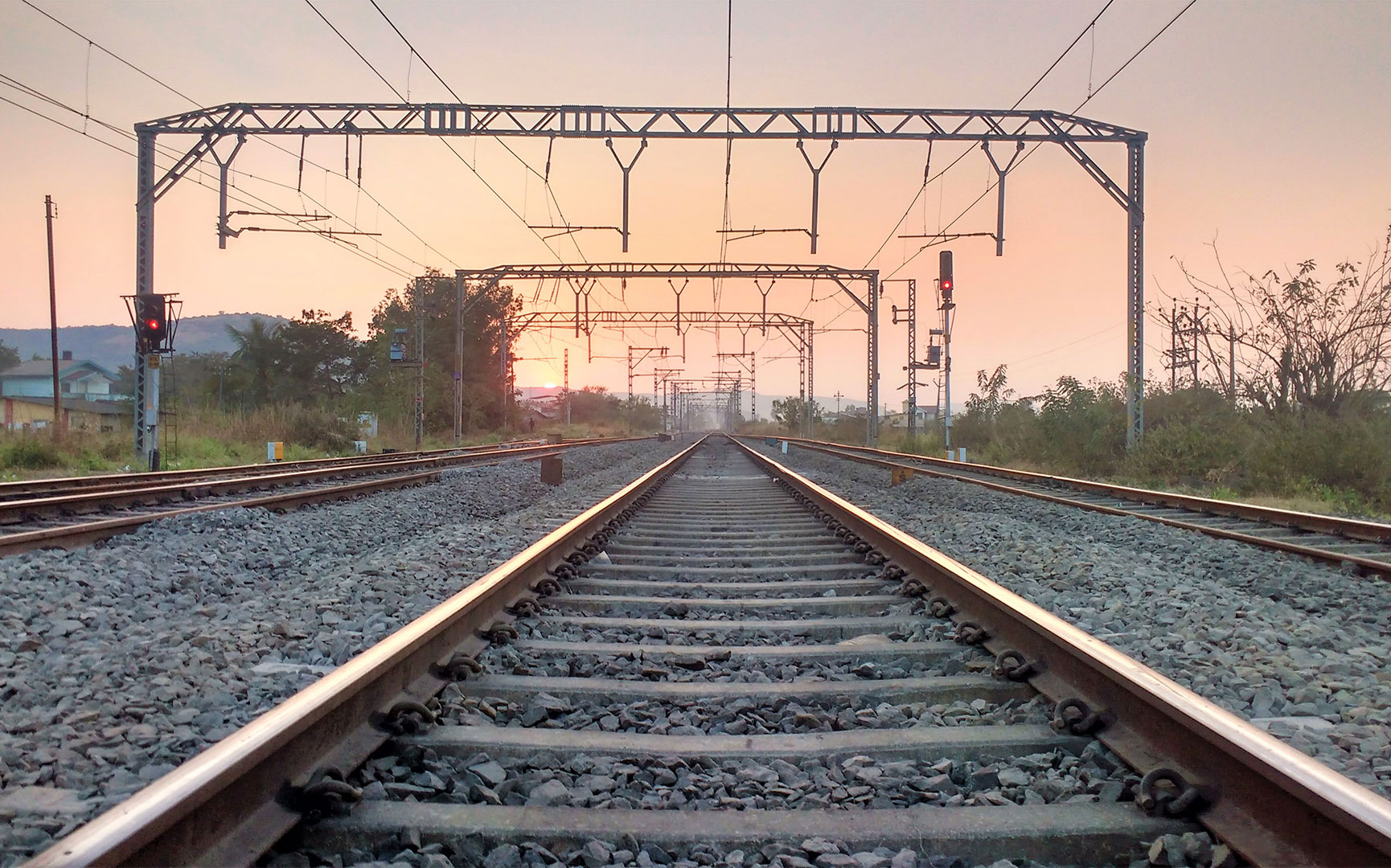
The Vijayawada – Gannavaram rail line belongs to South Central Railway and is situated in Andhra Pradesh. Initially, the line featured a conventional signalling system and there was a requirement by the operator to update this into an automatic signalling system with the Frauscher Advanced Counter FAdC®. The project consists of 88 counting heads and 44 track sections and the type of architecture used in this project is a dual redundant distributed architecture with an Ethernet based communication for the automatic signalling system.
To fulfill the requirements of the operator, the Frauscher Wheel Sensor RSR180 along with the FAdC® and its highly configurable system architecture were used in this project. Additionally, the Supervisor Track Section STS function has also been implemented on this line for the purposes of auto resetting in case of false errors, again leading to greater system availability and reduced downtime.
The conversion from a conventional signalling system into an automatic signalling system for detecting trains has offered a wide array of benefits for the operator. Power consumption for every detection point is very low for the FAdC® which leads to cost saving for operators throughout the lifecycle of the system. Furthermore, deploying the FAdC® has enhanced the line capacity of the railway system and led to a reduction in the waiting time of trains for track vacancy clearance.
Increasing Availability
The FAdC® provides a dual detection system alongside COM, PSC and network redundancy which further enhances the availability of the system in the automatic block sections.
Greater Operational Efficiency
The automatic block section with FAdC® has been designed in a way that enables trains which travel in the same direction to follow each other in a safe manner, thus enhancing the line capacity of the railway system.
This might also interest you
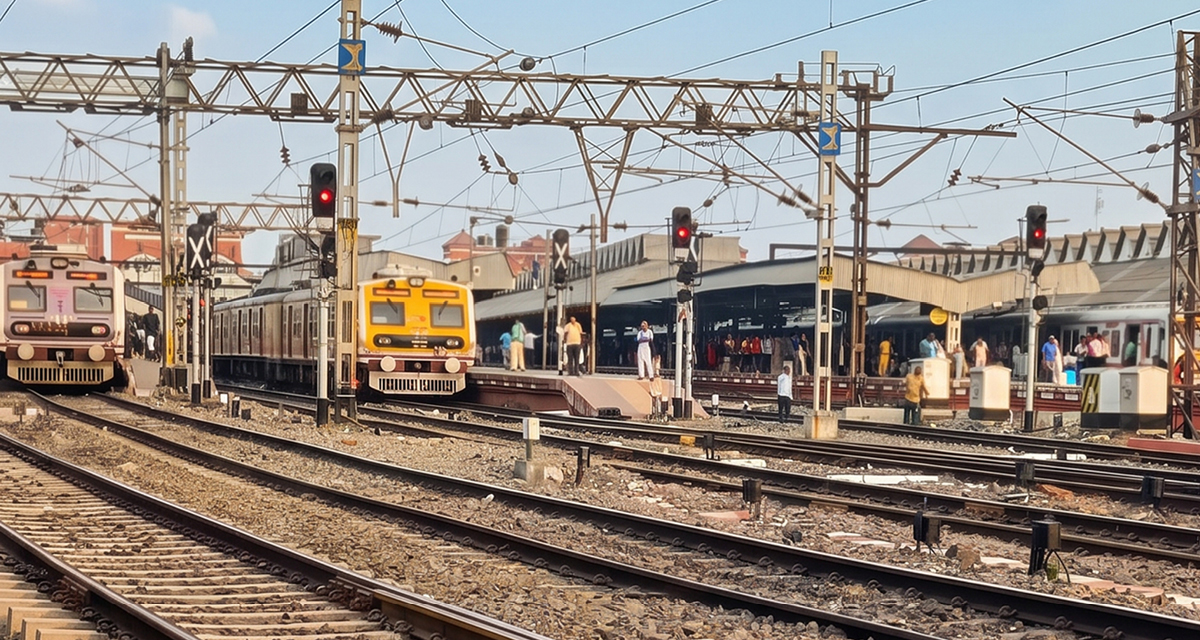
Reliable train detection in waterlogging-prone Howrah Yard
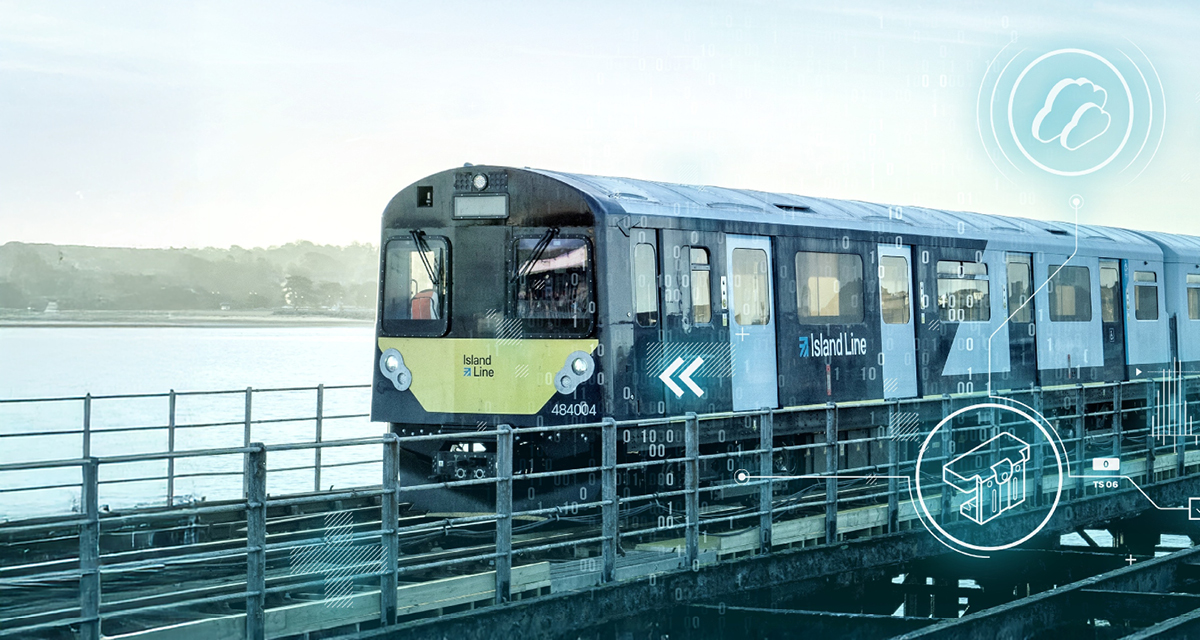
Bringing reliability to Britain’s island railway
Cutting delays through data-driven maintenance
Ensuring reliable rail operations across India´s longest rail-road bridge