Frauscher Sensor Technology has completed the divestiture to Wabtec Corporation.

Find Out More
Beijing Metro Line 12 | China
Train DetectionChina

Beijing Metro Line 12

Operator
Beijing Metro
Country
China
Segment
Urban
Application
Track Vacancy Detection
Products
RSR180, FAdC®
Protocols
Proprietary protocols
Year
2024
Scope of project
Approx. 263 counting heads

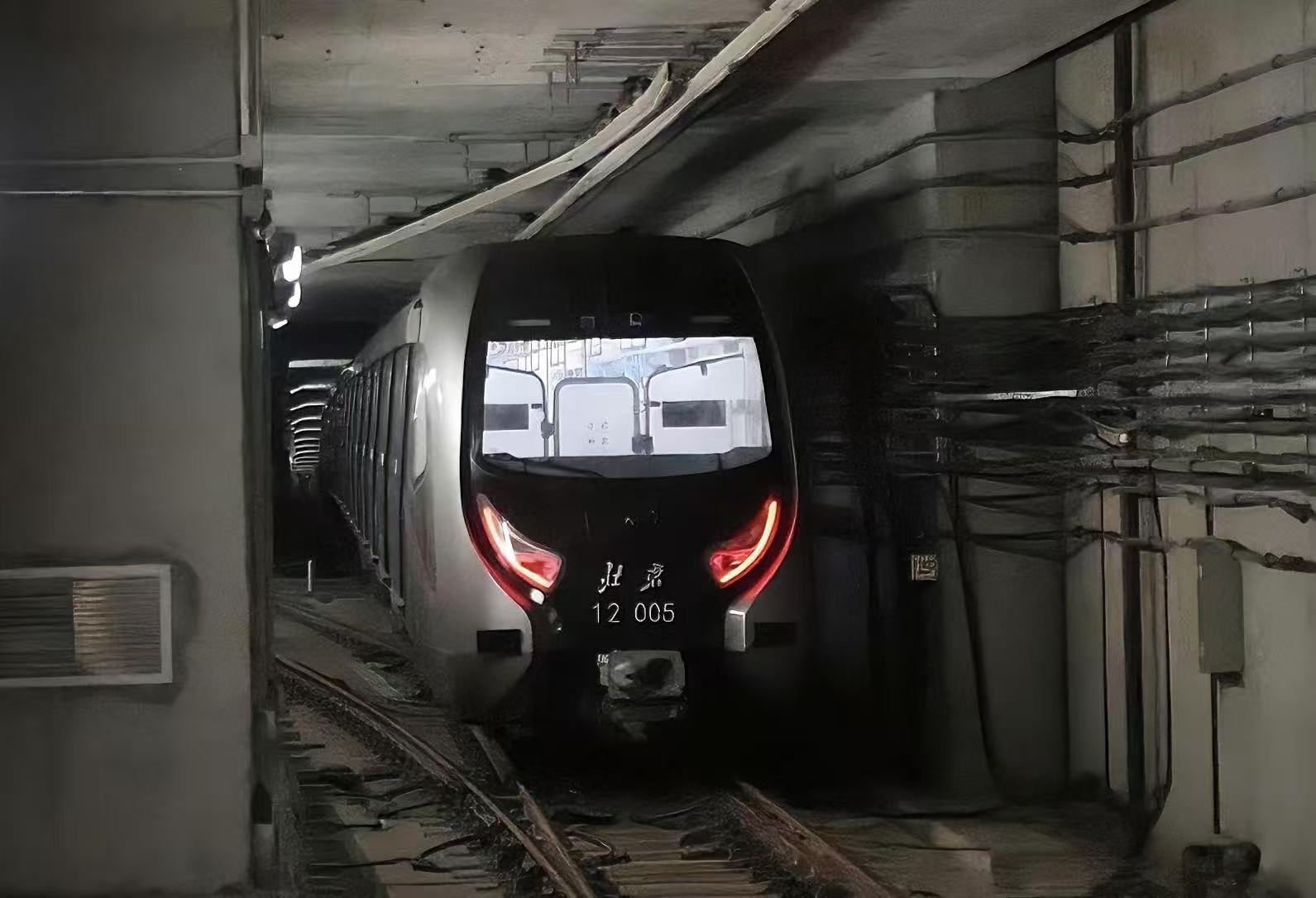
The Beijing Metro Line 12 is the first metro line that combines Frauscher Advanced Counter FAdC® and Railway Signal Safety Protocol Type I (RSSP-I). The line (from Sijiqingqiao Station to Dongbabei Station) was placed into full operation on 15 December 2024.

Beijing Metro Line 12 is a metro project in northern Beijing. It is 27.5 km long with 20 stations, located in one of the busiest commuting areas, connecting four major urban districts. It is the first metro line that uses the Frauscher Advanced Counter FAdC® with software interface as a CBTC fallback system in Beijing.

Furthermore, following the combination of the Frauscher Communication board (COM) and the Railway Signal Safety Protocol (RSSP) that has been implemented successfully in Huangpu Tram T1 of Guangzhou and the Fenghuang Maglev Line in Hunan Province, Line 12 is also the first metro line that uses this proven technology.

The RSSP is mentioned in the standard specification for the Chinese railway industry, which has been commonly applied for data transmission in the CBTC system. Frauscher’s technical team has developed the communication board that supports the RSSP protocol (COM-RSSP) and successfully obtained the CENELEC SIL 4 Certification two years ago.

Software interface

Frauscher Advanced Counter FAdC® is able to communicate with higher-level systems via the Ethernet interface using customised protocols. The protocols RSSP and FSFB have been used in China.

Installation friendly

The tail cable of Wheel Sensor RSR180 and Frauscher Rail Claw SK150 are specially designed for easy installation without track drilling.

Similar Projects
This might also interest you
1/5
Train DetectionUnited Kingdom of Great Britain and Northern Ireland

Maintaining the past, creating the future

The Dean Forest Railway (DFR) operates a historical 7 km passenger service line running north from Lydney Junction to Parkend, in the Forest of Dean. Due to extensions of the line and an additional turnout being added at Parkend, an update and modernisation of the existing train detection and signalling system was necessary. Being a heritage railway, it requires high standards in terms of signalling and safety, whilst maintaining the historical touch of the line.
Train Detection, ServicesUnited Kingdom of Great Britain and Northern Ireland

Cutting delays through data-driven maintenance
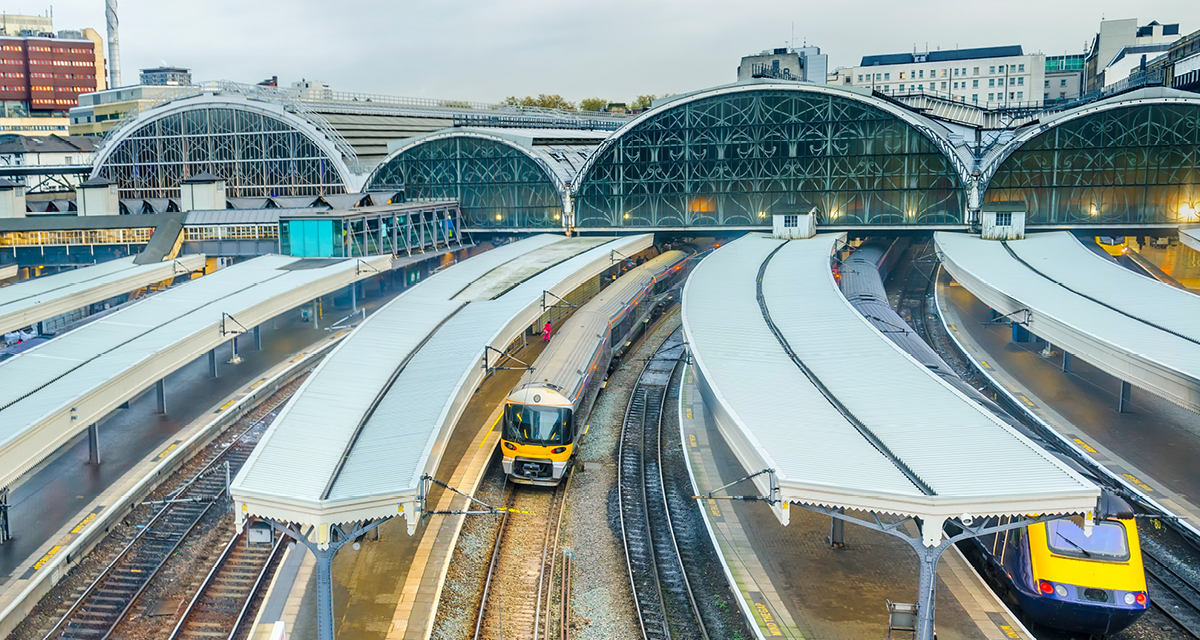
Frauscher has supported the Paddington project with the adoption of Frauscher Insights Diagnostics, a cloud-based monitoring solution that increases data usefulness and availability. By providing faster fault analysis and health messages, Frauscher Insights has helped Network Rail improve reliability, reduce downtime and delay minutes by up to 80%, and shift towards a proactive maintenance approach.
Train DetectionUnited Kingdom of Great Britain and Northern Ireland

The Borders Railway Project

From Shawfair to Tweedbank, the Borders Railway rail route underwent significant renovations after 45 years of disconnect due to Beeching cuts. Our Frauscher UK & Ireland team were involved in providing innovative solutions for train detection for a section of the Borders Railway route.
Train DetectionUnited States of America

Frauscher Track Vacancy System FTVS Testing

During the initial development phase of the Frauscher Track Vacancy System FTVS, a number of pre-production units were released for real-world testing to examine their performance in typical yard environments. Consequently, several trials were conducted in the United States.
Train DetectionFrance

Homologation for the Île-de-France tramway network

The network of Île-de-France tramways in the region of Paris has been a showcase model of public transport since the line T1 opened in 1992. Over a million passengers use these trams daily and today, the system consists of 11 lines covering over 100 kilometres of track. Over the next years it is planned to expand this network even further. For track vacancy detection, the Frauscher axle counting system is considered as being the ideal solution for this comprehensive network.